

At the Master of Public Policy program, we celebrate the power of purpose-driven leadership.
Each student’s path reflects a unique commitment to creating change — in communities, government, and the world. Through mentorship, collaboration, and real-world engagement, we help students turn passion into impact. These stories aren’t just testimonials; they’re reflections of policy in action and lives transformed through service.
"The best place to get a policy education is Washington, DC."
-
Joe D’Antonio
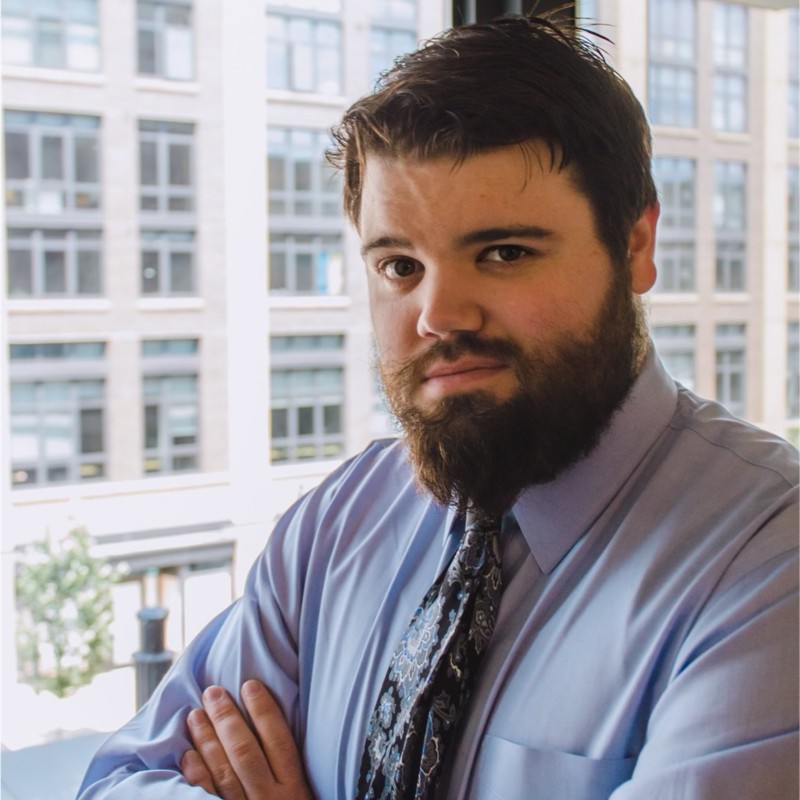
What made you decide to pursue your MPP even though you were already working in the policy field?
I decided to pursue an MPP at The Catholic University of America because I knew I would be getting a quality, values driven education. At the heart of the MPP program at Catholic is the pursuit of the common good and a dedication to the “why?” of public policy. The policy practitioners I have worked with that are true leaders in their fields, whether they be elected officials, public servants, or people in policy facing for-profit firms, have all had a clear sense of their “why.” That has what has separated the good from the great in policy. Catholic’s dedication to helping students find that “why” and providing a strong foundation to that “why” is what separates it from other MPP programs and is why I wanted to be part of it.
How have you been able to apply what you’re learning in class to your current job?
I have been able to take a lot of what I am reading and doing as part of the MPP program right into my job, sometimes the very next day. I actually keep most of the books I have read as part of the MPP in my office so I can look back at them when I need to. I have even recommended some to colleagues.
The econometrics and data science skills that I have been taught have been particularly useful in differentiating me from my peers at work. My ability to understand reports that use that level of analysis and my ability to apply that kind of analysis to our work has helped me grow in my role.In what ways has the program expanded your perspective or given you new tools as a professional?
More than any particular skill or fact that I have been taught, the MPP has taught me a way of thinking that has been invaluable. The program combined parts of an economics masters, a data science masters, and a traditional political science masters that give me the ability to “think like a policy maker.” At work I can use the tools of economics to break down a problem into its likely impacts, the tools of data science to create methods to test for those impacts, and the tools of political science to craft a program that will get me to the best outcome.
How has Catholic’s location in Washington, D.C. enhanced your ability to connect classroom learning with your policy work?
The best place to get a policy education is Washington, DC. The program has drawn from a pool of adjunct professors with direct experience in the field. Getting to learn from that has been invaluable. The location in DC also helps students to build their professional networks and take advantage of internship/fellowship opportunities.
The program also would not be possible for me if it was not in DC. I am able to maintain my work schedule and class schedule. The program has also always been very flexible with me so that I can balance my work schedule with my academic responsibilities.
What impact do you see this program having on the next steps in your career?
I see the MPP as helping me advance in my career to management and leadership positions both within my organization and my field. I think the MPP will give me the skills I need to accomplish whatever tasks are put in front of me and the credentials necessary to be taken seriously wherever I go.
What have/did you enjoy the most about CUA’s MPP program?
The connections I have made with the rest of my cohort and my professors. It is a truly wonderful and supportive community. The cohort participants come from a diverse background that provides insights into the classes. The professors are all extremely knowledgeable and approachable. Going back to a classroom setting was initially intimidating for me but the support I have gotten from my cohort and my teachers has made it not just doable, but enjoyable.
-
Samantha Phillips
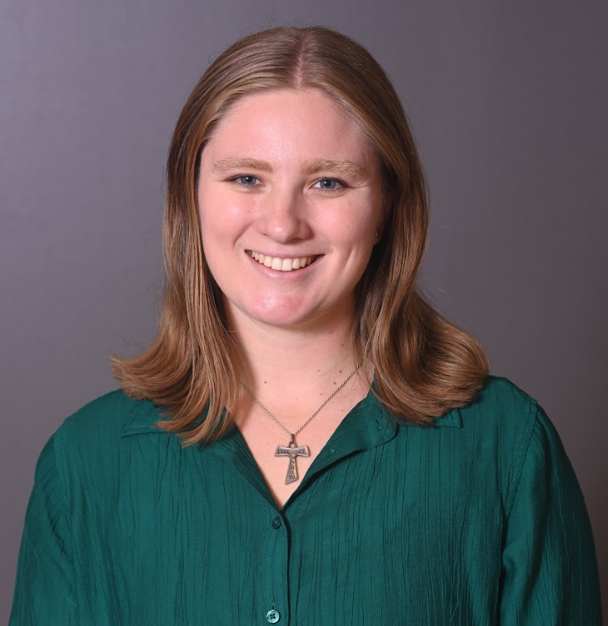
What motivated you to join a master’s program shortly after undergrad?
When I was finishing my undergraduate degree and getting ready to graduate, I always knew I wanted to go back to school and continue my education. However, I also knew I needed time to explore what that “more” really meant for me. I’m grateful that I took my first year post-grad to move across the country and work in the entrepreneurial real estate private sector. That experience taught me valuable work and life skills, and it also gave my mind the space to think about what I truly desired. But, I am also glad it was just a year, and that I soon found myself back in the classroom. Over time, I realized I had a deep passion for economics, philosophy, and public policy, and when I learned about Catholic’s MPP program, it truly felt providential. It was the perfect next step to bring those interests together in a meaningful and purposeful way.
How did Catholic University stand out when you were considering where to continue your education?
As an undergraduate alumnus who earned my B.S.B.A. here, Catholic University already felt like a second home. It was a no-brainer to return. I loved the university’s mission, location, and spirit, and I was especially drawn to the MPP program’s people-centered approach to policy. The program is well-grounded in purpose and structure but also flexible enough for me to design a curriculum tailored to my interests and career goals. What truly stands out, though, are the people, both professors and students, who are not only motivated and knowledgeable but also kind and principled. In today’s divided and chaotic world, that kind of community is rare, and it’s exactly the kind of environment where I want to grow.
What has surprised you most about transitioning from undergrad to graduate-level work?
What has surprised me most is how much more independent and demanding graduate-level work is. You’re still supported, but now you’re an adult, with less step-by-step guidance and much higher expectations. It pushes you to think more critically, manage your time well, and take full ownership of your learning. That’s been challenging, but also incredibly rewarding. I’ve found that the independence allows me to thrive in new ways and take my academic and professional development into my own hands.
In what ways do you feel the MPP program is preparing you for your very first steps in the policy world?
I know I want to enter the policy world, but the hardest part is often getting that first opportunity. This program is helping me prepare by giving me the tools, knowledge, and network to get there. I’m building up my resume through relevant coursework and skills, gaining practical experience, and forming strong professional relationships that will serve me well in the long run. The MPP is teaching me to think both analytically and ethically about policy, to use data and reason effectively, but never lose sight of the people behind the numbers. I see it as the perfect pathway toward a career in policy research and an opportunity to do something deeply applicable while still discerning whether I want to pursue academia later on.
What have you enjoyed the most about CUA’s MPP program?
What I’ve enjoyed most is the balance between academic rigor and human connection. The courses are challenging and intellectually engaging, but there’s also a genuine sense of community that keeps me motivated. I appreciate how the program brings together students with diverse professional backgrounds and interests, which makes every discussion dynamic and thought-provoking. There is never a dull moment in our classes.
-
Tafadzwa Chirimuta
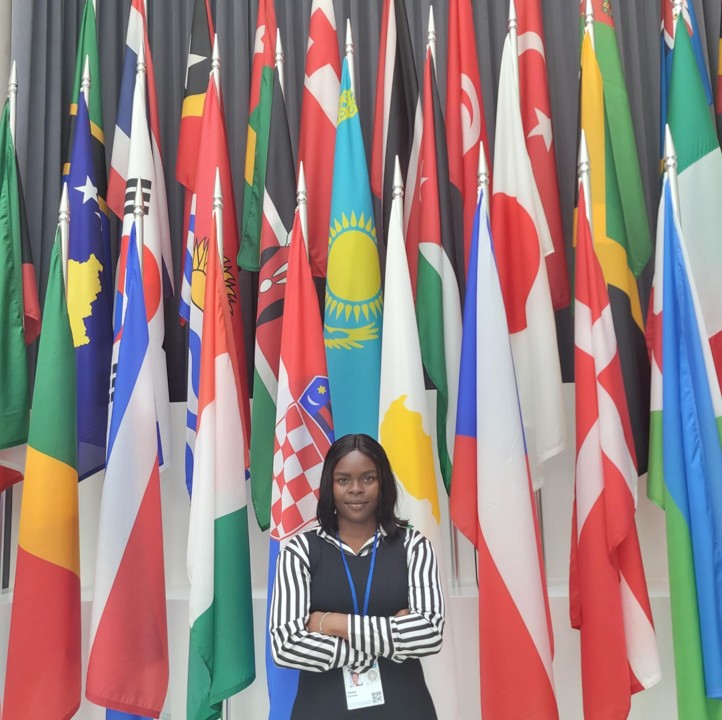
Why did you choose to come to Catholic University and study public policy in Washington, D.C.?
I chose to study Public Policy at The Catholic University of America because of its values-driven approach and its location in Washington, D.C. Being in the nation’s capital allows me to see policymaking firsthand and connect theory with practice through the many organizations, think tanks, and government institutions nearby. Catholic University’s emphasis on ethics and evidence-based analysis aligns deeply with my passion for creating fair and inclusive policies.
What has your experience been like as an international student adjusting to graduate school here?
Adjusting to graduate school in a new country has been both exciting and humbling. At first, the pace of academic writing and the participatory classroom culture felt different, but I’ve grown to appreciate how it challenges me to think critically and speak confidently. Over time, I’ve found my rhythm and learned to blend my background in development work with the analytical training here.
What perspective do you feel you bring to class discussions as an international student, and how has that been valued?
Coming from Zimbabwe and having worked on grassroots development projects, I often bring an African and community-based perspective to our policy debates. I connect abstract theories to lived realities, for example, how economic inequality or climate policies play out in rural settings. My classmates and professors value this perspective because it broadens the conversation and reminds us that policy solutions must work in diverse contexts.
How has Catholic helped you feel supported, both academically and personally, as you study far from home?
Catholic has provided a nurturing environment through mentorship, career guidance, and personal care. Faculty members are always willing to discuss ideas beyond the classroom, and the international office constantly checks in to ensure we’re adjusting well. Whether it’s through campus events, volunteer opportunities, or the friendships I’ve built, I truly feel seen and supported both as a student and as a person far from home.
What has been the most rewarding part of the MPP program so far?
The most rewarding part has been learning how to turn complex social challenges into evidence-based policy solutions. Courses like Program Evaluation and Strategic Policy Management have helped me see how data, analysis, and ethics come together to create meaningful impact. It’s empowering to connect theory with the real issues I care about, like women’s empowerment and inclusive development.